
Can Tongue Ties Affect Speech?

When it comes to speech development in children, parents often find themselves on a quest for answers, especially when faced with unexpected challenges. One such concern that frequently arises is the condition known as “tongue tie.”
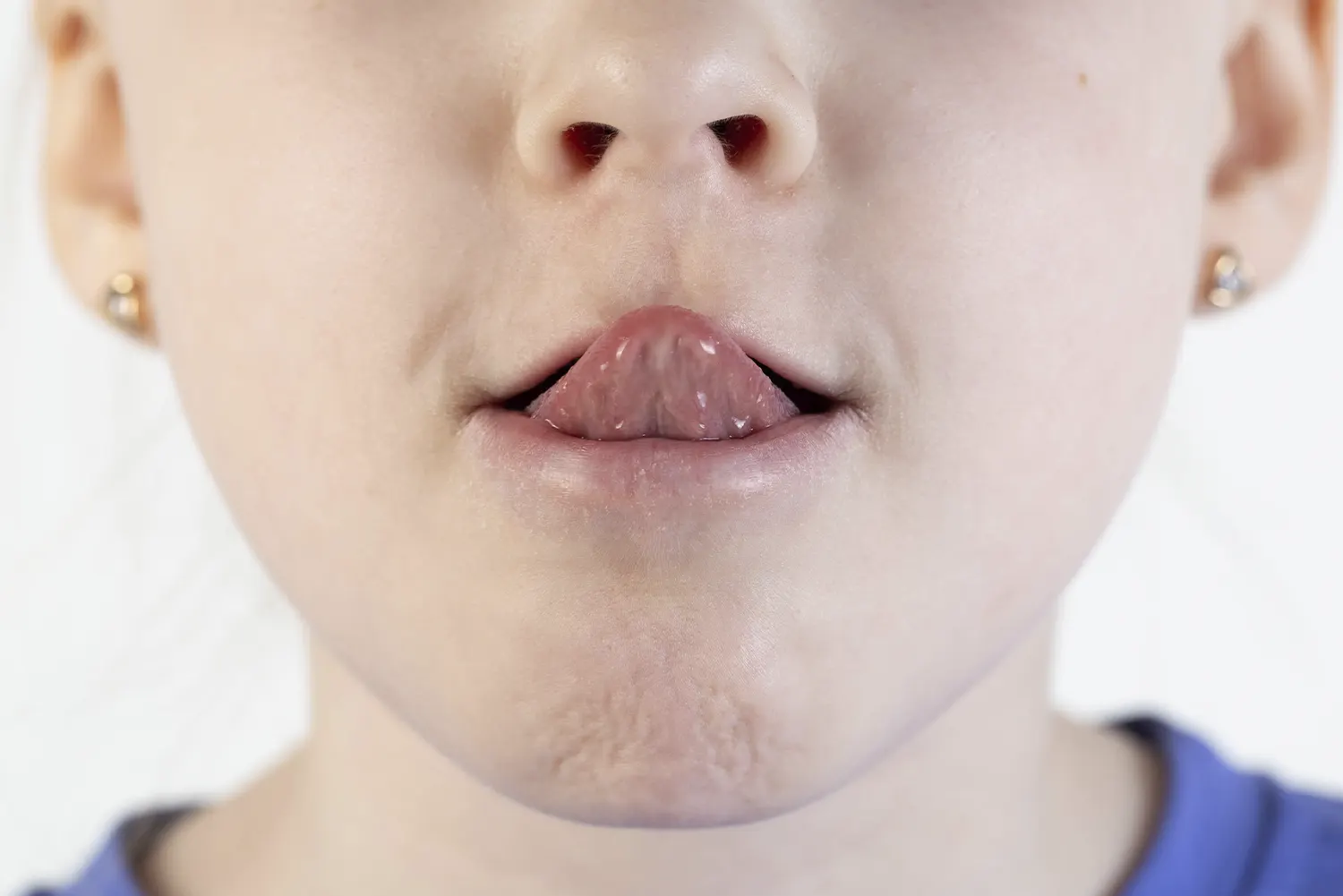
The medical term for a tongue tie is “ankyloglossia.” This condition, characterized by a short, thick, or tight band of tissue tethering the bottom of the tongue’s tip to the floor of the mouth, can have a significant impact on a child’s ability to speak clearly and effectively.
Understanding the implications of tongue tie on speech is crucial for parents and caregivers seeking to support their child’s communication skills. With the right knowledge and early intervention, many of the difficulties associated with tongue tie can be minimized or even eliminated.
Understanding Tongue Tie
Tongue tie is a condition that can vary in severity, and its impact on speech depends largely on the extent of the restriction. In some cases, a mild tongue tie may not cause any noticeable issues. Children with mild restrictions might develop speech normally and not experience any feeding or articulation problems.
However, in more severe cases, the limited mobility of the tongue can interfere with essential oral functions such as eating, swallowing, and speaking. Here are some key points to consider:
- Tongue tie can restrict tongue movement, affecting the ability to produce certain speech sounds clearly.
- Common speech issues associated with tongue tie include difficulty with sounds like "t," "d," "z," "s," "th," "r," and "l." These are sounds that typically require the tongue to lift or move freely within the mouth.
- Early diagnosis and treatment can help mitigate potential speech problems and improve long-term communication outcomes.
- It’s important for parents to monitor their child’s speech development and seek professional advice if they suspect tongue tie might be affecting their child’s communication abilities.
The tongue is a critical tool in speech production. When its range of motion is compromised, the child may struggle to position it properly for articulation, leading to speech that sounds slurred, unclear, or immature for their age.
How Tongue Tie Affects Speech Development
The ability to articulate different sounds is essential for clear speech, and a tongue tie can interfere with this process. While each child may experience different challenges based on the severity of their tongue tie and their unique anatomy, several patterns tend to emerge. Children with tongue tie may exhibit:
- Delayed speech development: Kids with tongue ties might not begin speaking at the expected developmental milestones, or their speech may lack clarity.
- Frustration or reluctance to speak: This is particularly common in social or classroom settings. Children often become self-conscious if others cannot understand them, which may lead to withdrawal or behavioral issues.
- Compensatory speech patterns: The child adjusts the way they speak to work around the restriction. These adaptations can lead to unnatural speech patterns and may persist even after the tongue tie is corrected if not addressed through therapy.
Additionally, a tongue tie can impact more than just speech. It may affect oral motor skills, chewing, swallowing, and even oral hygiene, since restricted tongue movement can make it difficult to clear food debris from the mouth.
Recognizing these signs early is essential. Many children who receive timely intervention go on to develop normal speech and communication abilities, avoiding unnecessary academic or social setbacks.
Treatment Options for Tongue Tie
Fortunately, there are effective treatment options available for children with tongue tie. These treatments can significantly improve speech outcomes and overall quality of life. Depending on the child’s age, the severity of the tongue tie, and any associated difficulties, a healthcare provider may recommend one or more of the following interventions:
Frenectomy
A frenectomy is a relatively simple and quick procedure that involves cutting or releasing the frenulum. This is the band of tissue causing the restriction. It can be performed using scissors, a scalpel, or a laser, depending on the provider’s preference and the specifics of the case.
When performed early, especially in infants, healing is often rapid. The benefits, such as improved feeding and later speech development, can be significant. In older children, a frenectomy may be followed by speech therapy to retrain the tongue and optimize articulation.
Speech Therapy
Not all children with a tongue tie will require surgery. Some may benefit from speech therapy alone, especially if their tongue mobility is only mildly restricted or if compensatory speech habits have already developed. A licensed speech-language pathologist can help the child strengthen tongue muscles, improve articulation, and build confidence in communication.
In cases where surgery is performed, post-operative speech therapy is often recommended to help the child learn proper tongue placement and eliminate previously learned compensatory habits.
Monitoring and Follow-Up
For some children, especially infants, a “wait and see” approach may be appropriate. In these cases, regular monitoring by a pediatrician, dentist, or speech therapist can ensure that the condition does not begin to affect feeding or speech over time.
Follow-up care is essential to track progress, evaluate the success of any interventions, and make further recommendations as needed.
The Role of Parents and Caregivers
Parents and caregivers play a vital role in supporting children with tongue tie. In many cases, it is the parent who first notices that their child is not speaking clearly or is struggling with certain sounds. Being observant and proactive can make a significant difference in the child’s speech development journey. Here are some ways parents can help:
- Be observant of your child’s speech and communication patterns. If you notice difficulty pronouncing certain sounds, or if your child becomes easily frustrated while trying to speak, it may be worth investigating further.
- Encourage open communication and provide a supportive environment for speech practice. Reading aloud together, playing word games, and practicing sounds can be both fun and beneficial.
- Stay informed about tongue tie and its potential impact on speech. Knowledge empowers parents to advocate for their child and seek timely interventions.
- Work closely with professionals, such as speech-language pathologists, pediatricians, or pediatric dentists, to determine the best course of action.
Remember, early intervention often leads to the best outcomes. Children are highly adaptable, and with the right support, many can overcome the challenges associated with tongue tie.
Schedule an Appointment in Chicago
If you’re concerned about your child’s speech development and suspect tongue tie might be the cause, don’t hesitate to reach out to Floss Academy. Our experienced team, led by Dr. Deric Truskoski and Dr. Amanda Shaffer, is dedicated to providing comprehensive, compassionate care for children in Chicago, IL.
We understand how important clear communication is to your child’s development, education, and social well-being. By addressing tongue ties early, we can help set your child up for success both in school and in life.
Contact us today at (312) 584-0447 to schedule an appointment and take the first step toward improving your child’s speech and communication skills. We’re here to support you every step of the way.
Remarkable Care for Little Smiles

Parking
There is a meter parking available on Madison Street. There is also a parking garage located at 1301 W. Madison Street.
%20copy.webp)